
Case study
Saffron Stories: Trust, Quality, and Global Exports.
Saffron processing is an art and science. From the moment of harvest to the moment of presentation to the customer, every step of saffron processing is done with precision and knowledge. We are looking for the best processing methods to preserve the original flavor of saffron. With a focus on quality, saffron processing in our company guarantees an unparalleled experience.
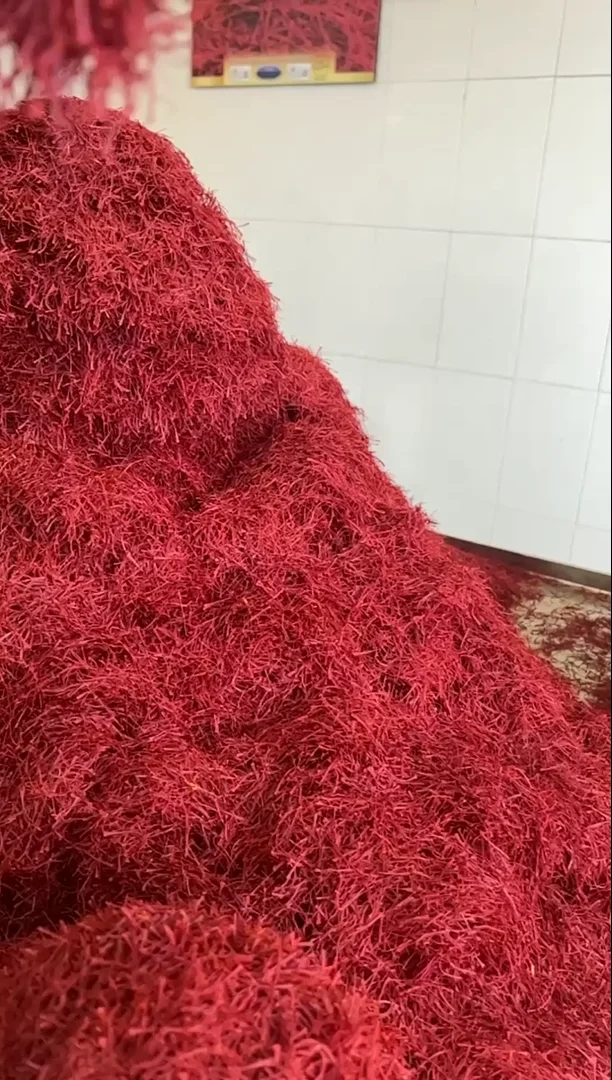
Saffron: an attractive profession that becomes an art in processing
Saffron, an authentic and valuable flower from the lily family, is famous for its unique combination of natural components and elements. This beautiful flower contains elements such as carotenoids, curcumin, vitamins and minerals that are beneficial to human health. Also, the taste and beauty of saffron, as the most basic flavoring components in cooking, has made this flower a valuable symbol in different cultures. But the real effect on the quality of this flower after harvesting is manifested in its different processing.
Initial stage: harvesting saffron
By carefully harvesting the flowers and using special tools, saffron is preserved with all its values. The use of straw containers and gloves in this process ensures that saffron is collected and prepared in hygienic conditions and with superior quality. Depending on the techniques followed, the consumer is faced with an extraordinary and desirable final product. It is necessary to pay attention to the technical details of harvesting and hygienic methods so that this flower sits on our table with eternal pride.
Cleaning and drying the flowers
In a sanitary environment, using tweezers and gloves, saffron flowers are carefully separated from other parts of the plant. This initial operation is the basis for ensuring high quality and the absence of impurities in saffron. The next step is the drying process, which is a critical step. Low humidity causes damage to saffron. Also, high humidity may cause microbial load. By using the right pressure and humidity, saffron is produced and sold in the market with a good grade.
Choosing a processing process: an artistic career
The processing method determines the quality of saffron. burning, steaming or distilling; Choosing the right method requires the experience and scientific knowledge of processors. Processing in different ways does not only lead to diversity in the characteristics of saffron, but it can have a direct impact on the final taste and color. Being professional at this stage is an art that requires high experience and expertise.
Economic and social impact
The effect of saffron processing on its quality is not limited to issues related to consumer experience. In fact, professional activities in this field can have many economic and social impacts. The development of saffron processing industries can lead to creating employment and improving the income level of the people in the producing areas. This issue is especially important in countries like Iran, which is known as one of the largest producers of saffron in the world. Also, paying attention to international standards in saffron processing can help strengthen the position of this product in the foreign market. By providing high quality saffron to the global market, producers will be able to attract new customers and increase exports.
Conclusion: The art of saffron processing
Saffron processing has become an art, which not only leads to the creation of a quality product, but also to economic and social developments. Choosing the right processing steps gives the consumer confidence in the quality of the product and at the same time helps the development of the saffron industry in the world.