

An Analytical Overview of Saffron Export Trends in Iran – April 2025
In April 2025, official data from the Khorasan Razavi Saffron Exporters’ Union reported a 79% surge in Red Gold Export compared to the same period last year. While this growth in saffron export may seem promising at first glance, it raises an important question: is this momentum sustainable, or is it just a temporary market anomaly? The answer lies in a deeper analysis of Iran’s saffron export infrastructure.
The Saffron Export boom, largely attributed to delayed orders from the previous year and reduced competition from regional players such as Afghanistan, masks the fundamental challenges beneath. Without long-term solutions and structural reform, maintaining consistent saffron export levels will be difficult. Saffron Export is thus caught between temporary relief and the need for enduring reform.
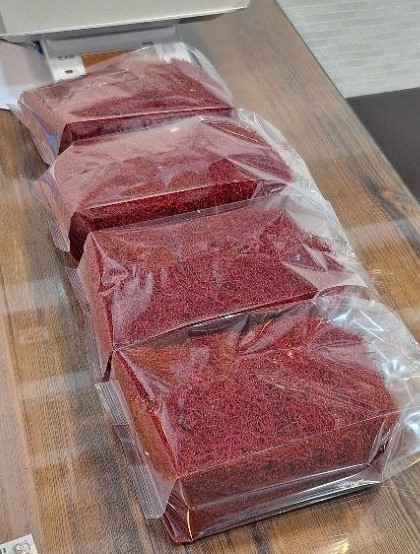
Seasonal Volatility Threatens Saffron Export
Supply-Demand Imbalances Shake Market Stability
As the summer season and religious observances like Muharram approach, demand for saffron increases. However, due to seasonal supply limitations, the Red Gold Export industry faces severe price instability. Exporters must navigate volatile markets that undermine both profitability and long-term planning in saffron export.
Currency Pressures on Red Gold Exporters
Hidden Costs Reduce Export Viability
One of the greatest burdens on Red Gold Exporters is the $200 per kilogram levy, in addition to high packaging, transport, tax, and currency repatriation costs. These overheads significantly reduce profitability in saffron export, turning the process into a financial strain rather than a commercial opportunity.
Banking Challenges Limit Red Gold Export Growth
Lack of Official Payment Channels Hampers Trade
Due to banking restrictions, exporters rely on intermediaries or informal channels to receive payments. These methods increase the overall cost of Saffron Export and reduce Iranian saffron’s competitiveness in critical markets such as China and the UAE.
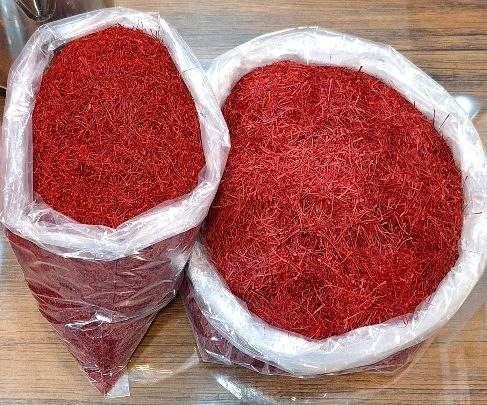
Tax and Tariffs: A Major Obstacle to Red Gold Export
Why Iranian Saffron Fails to Compete on Price
The cost of Iranian saffron ranges from 100 to 120 million IRR per kilogram in global markets. Meanwhile, Afghan saffron is up to 30% cheaper. This price gap severely hampers Iran’s Saffron Export efforts and weakens its foothold in international saffron export.
Structural Reform: The Path to Sustainable Saffron Export
Strategic Actions for Long-Term Growth
To preserve and expand Iran’s saffron export industry, the following reforms are essential:
Eliminate export duties on saffron
Establish official banking routes with key partner countries
Provide financial incentives for Red Gold Export businesses
Promote global branding for Iranian saffron
Form export consortia to manage quality and pricing
Azhdari Saffron: A Symbol of Intelligent Saffron Export
Iranian Quality, Global Standards
In today’s market, choosing a trusted brand is crucial. Red Gold Export: Growth or Temporary Surge?, with its premium Khorasan saffron and standardized packaging, plays a pivotal role in the promotion of high-quality Red Gold Export, meeting international standards in saffron export.
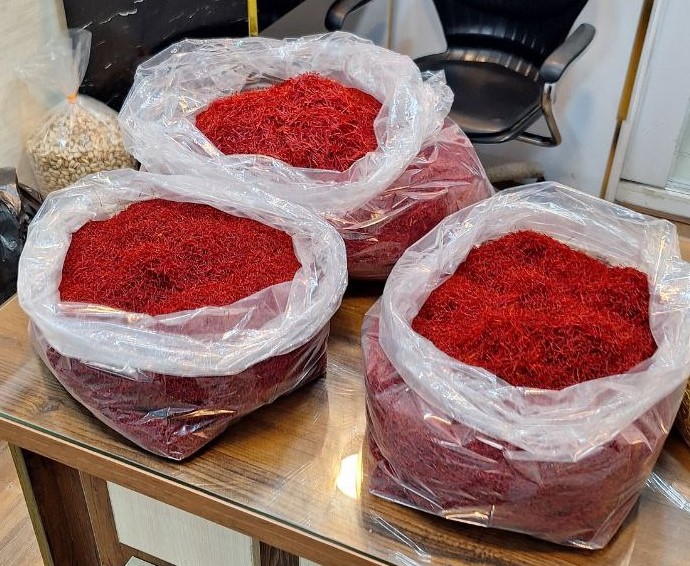
Support Red Gold Export by Choosing Azhdari Saffron
Empowering Local Farmers and Legal Trade
Buying from Azhdari means supporting Iranian farmers, national economic goals, and transparent Red Gold Export practices. If you’re seeking authentic, top-grade saffron backed by ethical sourcing and export, Azhdari is your ideal choice in saffron export.