The Precious Red Gold of Iran
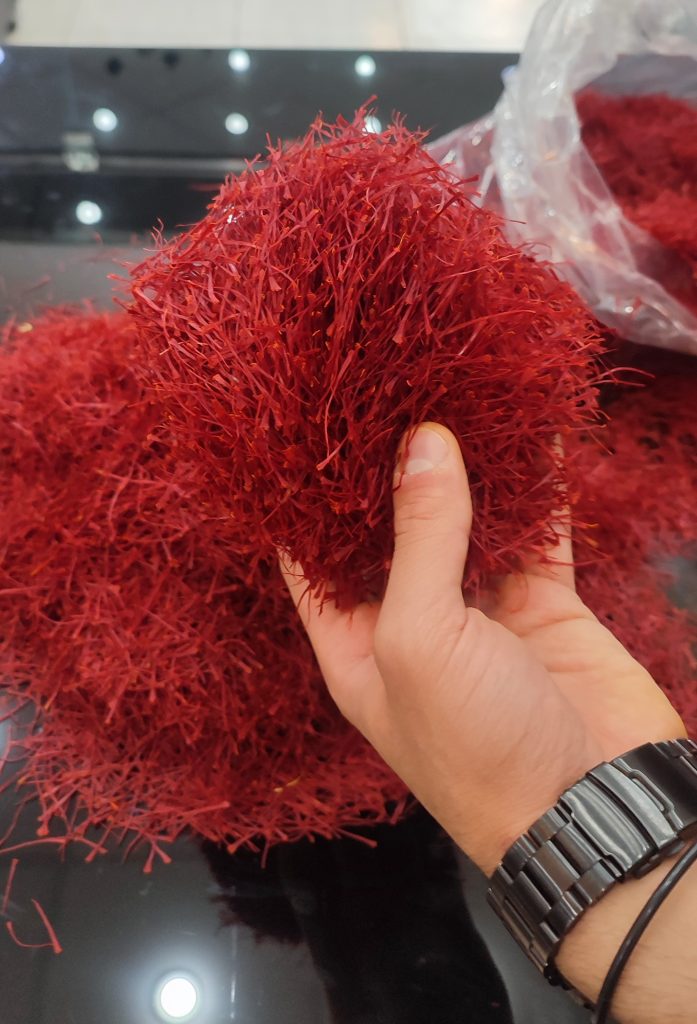
Saffron as a Rare Commodity stands as one of the most unique agricultural treasures in the world—an ingredient still harvested by hand, crafted through patience and tradition. This luxurious spice, often called Rare Red Gold, is more than a flavoring; it is part of Iran’s cultural identity and a symbol of craftsmanship. Because of its labor-intensive production and limited cultivation regions, Saffron as a Valuable Commodity has evolved into Saffron as a Valuable Commodity admired worldwide.
📌 Why Saffron as a Valuable Commodity Holds Such High Value | Rare Red Gold Origins
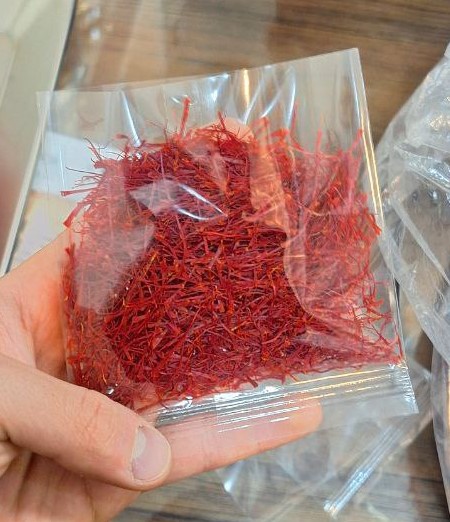
Saffron as a Rare Commodity owes its exclusivity to its demanding production cycle. Each flower contains only three delicate red stigmas, and more than 150,000 flowers must be picked—by hand, at dawn—to produce just one kilogram of saffron. This extraordinary effort is what transforms saffron into Rare Red Gold.
Because all stages—from planting to drying—remain manual, Saffron as a Valuable Commodity continues to be one of the world’s costliest and most sought-after spices.
📌 Quick FAQ About Saffron as a Rare Commodity
❓ Why is Saffron as a Valuable Commodity so limited?
Because of climate restrictions, manual harvesting, and low production volume compared to global demand.
❓ Is saffron considered Saffron as a Valuable Commodity?
Yes. Labor-intensive production and scarcity make it one of the most expensive spices.
❓ Why is it called Rare Red Gold?
Due to its red color, cultural significance, and exceptional value in global markets.
📌 Production of Saffron as a Valuable Commodity: Why This Spice Is Truly Luxurious
The creation of Rare Red Gold involves no industrial shortcuts. Every step—from planting bulbs to separating stigmas—is performed manually. This intense process places saffron among the highest-value agricultural products on earth.
Iran’s top regions—Khorasan Razavi, Qaenat, and Torbat-e Heydarieh—produce the highest quality saffron, making it both Rare Red Gold and Saffron as a Valuable Commodity with global recognition.
📌 Global Markets: Why Rare Red Gold Symbolizes Luxury
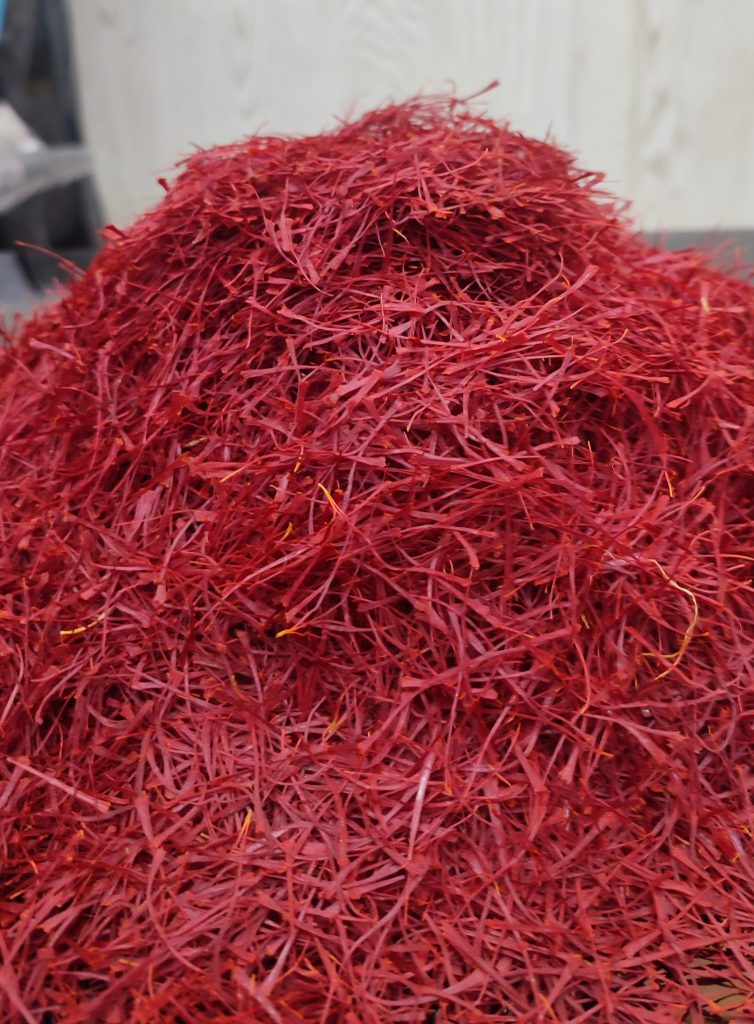
In Europe, the Gulf region, and East Asia, saffron is more than a spice—it’s a luxury symbol. International prices typically range between $1200 and $2500 per kilogram.
But beyond price, the true value of Saffron as a Rare Commodity lies in its extreme scarcity and cultural importance.
Countries such as France, Japan, the UAE, and India use saffron in gourmet cuisine, desserts, beverages, cosmetics, and even pharmaceuticals—making Rare Red Gold a mark of prestige.
📌 Saffron as a Rare Commodity & the Iranian Economy
With over 90% of global production, Iran is the heart of the saffron world.
Rare Red Gold offers massive economic potential because:
It requires extremely low water consumption
It yields far higher value per hectare than most crops
It can strengthen rural economies
This is why saffron is not only a spice—it is Saffron as a Valuable Commodity with strategic potential for Iran’s agricultural future.
📌 Why Iran Loses Value in the Global Rare Red Gold Market
Despite being the global leader, Iran earns only a small share of saffron’s final market value.
The reasons include:
Weak international branding
Bulk export instead of packaged export
Limited marketing
Foreign companies rebranding Iranian saffron at much higher prices
Spain and Italy are major examples—buying Iranian saffron cheaply and selling it globally as Rare Red Gold with luxury branding.
📌 Branding: The Missing Link in Elevating Saffron as a Rare Commodity
Quality alone is no longer enough.
For Rare Red Gold to claim its rightful global position, strong branding is essential.
Brands must provide:
International packaging standards
Laboratory analysis
Certifications
Traceability
Global-grade marketing
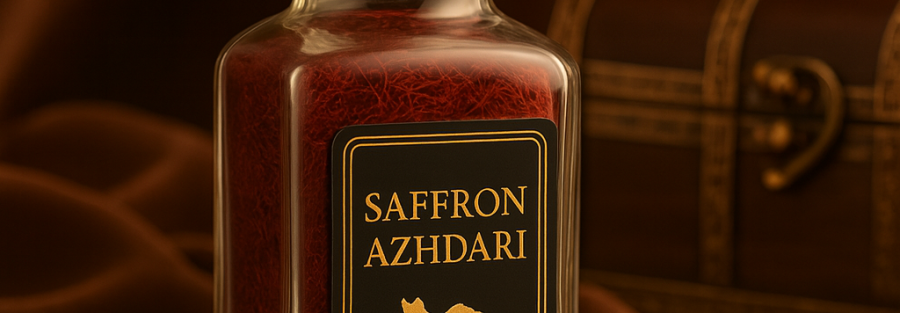
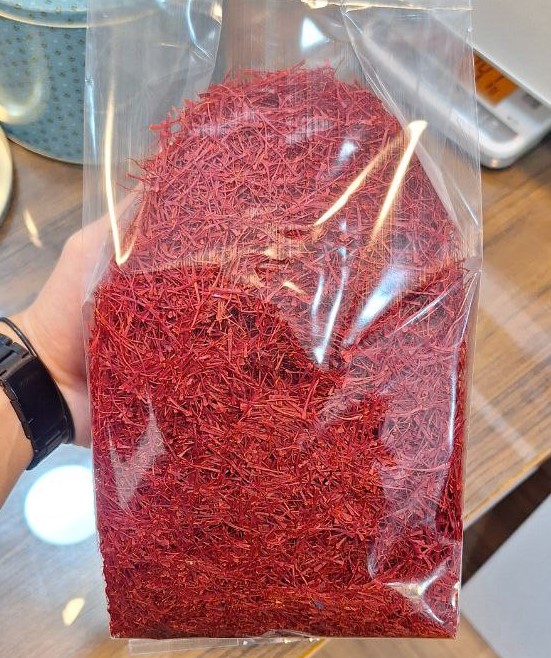
This is where Azhdari Saffron plays a transformative role. By sourcing directly from farmers and using certified processing and packaging methods, Azhdari ensures the world receives authentic Rare Red Gold in its purest form. The brand protects the identity of Saffron as a Valuable Commodity while elevating its global perception.
📌 Culture & Identity: Why Saffron as a Rare Commodity Reflects the Soul of Iran
The rarity of saffron is not only agricultural—it’s cultural.
Each thread tells a story of:
Early morning harvests
Generations of expertise
Commitment and patience
Connection to the land
This is why Saffron as a Rare Commodity is more than a spice—it is Rare Red Gold woven into Iranian heritage.
📌 Authentic Saffron: The Pure Experience of Rare Red Gold
To understand the true essence of Rare Red Gold, one must recognize that:
“Saffron is planted by hand, harvested with love, and consumed with respect.”
Choosing authentic saffron—crafted exactly the way it has been for centuries—means choosing purity.
Azhdari Saffron preserves this authenticity with every thread of its golden product.
📌 Conclusion: Saffron as a Rare Commodity—A Luxury Shaped by Time and Humanity
Saffron is not merely an ingredient; it is a fusion of:
Art
Nature
Human devotion
Its value comes from its rarity, purity, and cultural depth.
In a world dominated by mass-produced goods, Rare Red Gold—the true Rare Red Gold—reminds us that some treasures are created only through patience and passion.
Every time you use Iranian saffron in your tea, dessert, or dish, you connect with centuries of heritage—kept alive today by brands like Azhdari Saffron.