
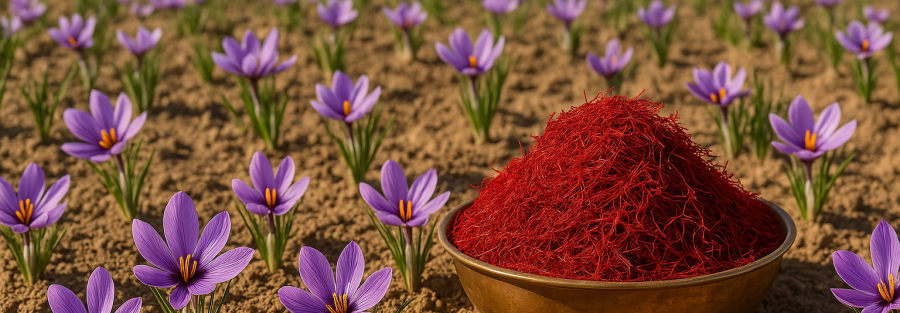
Correcting a Strategic Mistake in Strategic Policy-Making for Red Gold
Strategic Policy-Making for Red Gold: Why Saffron Should Never Have Been Classified as a Water-Intensive Crop
In recent years, Saffron Policies have become a focal point in Iran’s agricultural economy. Saffron, one of the country’s most valuable non-oil export products, has faced serious challenges due to misunderstandings in policy-making. The recent remarks by Dehnavi, Head of Iran’s Trade Promotion Organization, regarding the mistaken classification of saffron as a water-intensive crop, have brought new attention to the flaws in current Strategic Policy-Making for Red Gold.
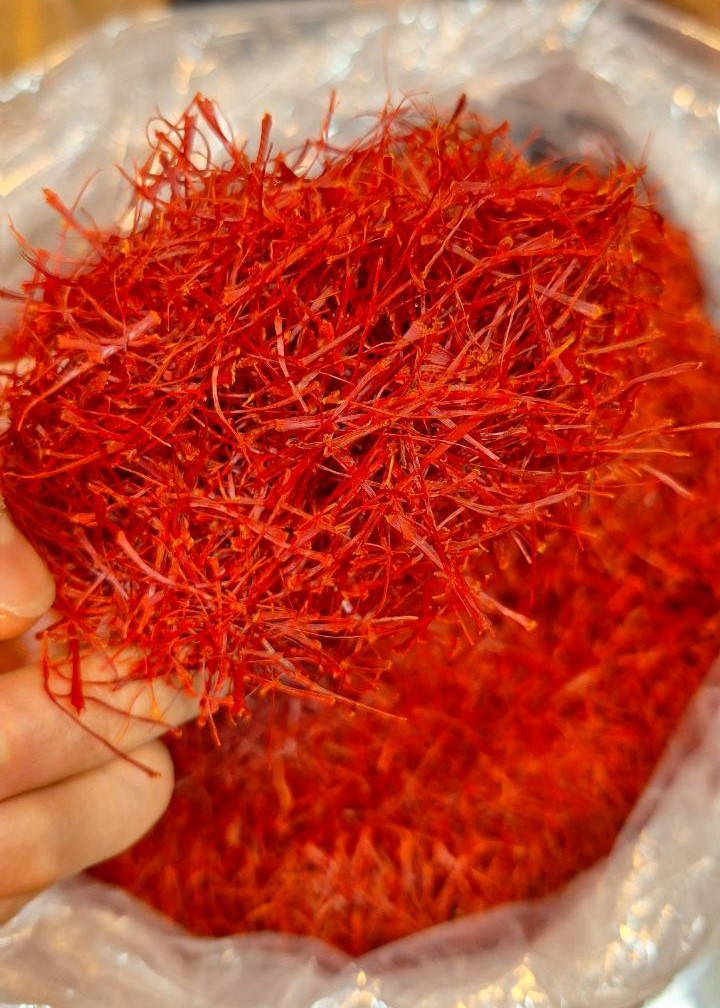
Strategic Policy-Making for Red Gold: A Low-Water, High-Value Crop
Unlike many agricultural products, saffron requires very little water and thrives in arid and semi-arid regions. It offers maximum economic return with minimal irrigation. Placing it on the list of water-intensive crops was both a scientific and administrative error. This decision, combined with irrational export duties, severely impacted Iran’s global competitiveness and had lasting negative effects on Saffron Policies.
Revisiting Saffron Policies: Experts’ Warnings Finally Heard
Dehnavi’s statement that saffron should never have been on the water-intensive list echoes the longstanding concerns of experts and producers. Although reforms are now underway, the damage to the production and export chain remains significant. This highlights the urgent need for comprehensive revision of Strategic Policy-Making for Red Gold.
Strategic Policy-Making for Red Gold: Compensation and Restoring Trust
One proposed remedy is the reimbursement of export duties previously collected from producers. This measure could help compensate some of the losses and rebuild trust in Saffron Policies, while also setting a more transparent precedent for future decisions.
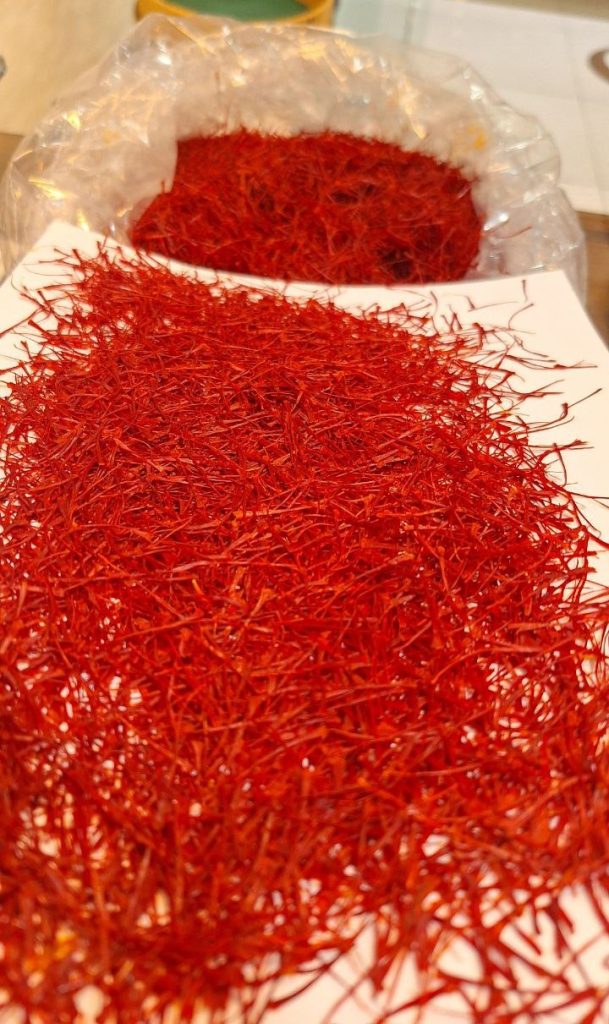
Decentralized Decision-Making: A Smart Step Toward Smarter Saffron Policies
A key recommendation has been to delegate saffron price-setting decisions to local agricultural authorities. These regional bodies, with their closer understanding of local conditions and production costs, can make Strategic Policy-Making for Red Gold more practical, efficient, and aligned with market realities.
Supporting Azhdari Saffron: A Symbol of Sustainable Saffron Policies
In an environment where poor decisions can destabilize entire markets, choosing reliable, high-quality brands becomes vital. Azhdari Saffron—leveraging local agricultural knowledge, precise processing, and professional quality control—stands as a successful example of sustainable Saffron Policies in action. If you’re looking for authentic, high-value saffron, Azhdari is a smart choice.
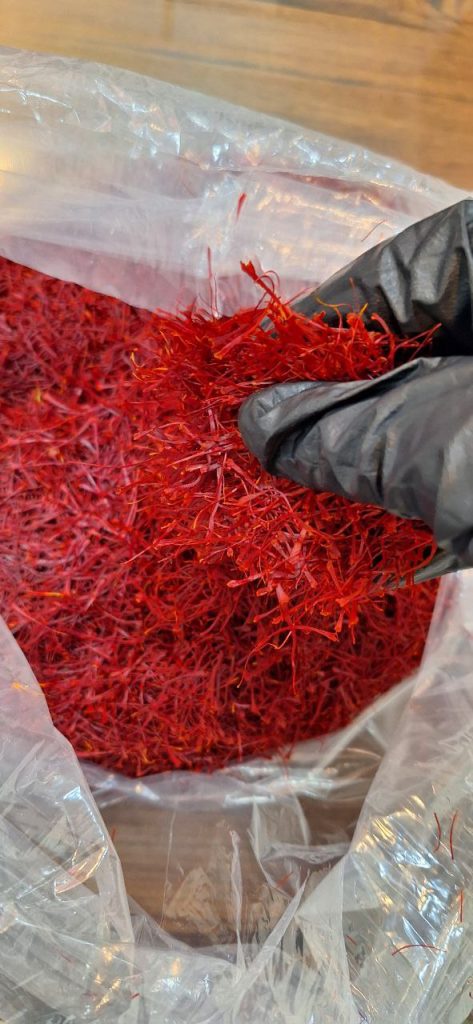
Conclusion: Saffron Policies as a Mirror of Agricultural Governance
The misclassification of saffron as a water-intensive crop is a clear example of how misguided policies can damage agricultural economies. With current reforms and a renewed focus on scientific, well-informed Strategic Policy-Making for Red Gold Iran has the potential to reclaim and strengthen its leadership in the global Red Gold market.