Trends, Influences, and Global Outlook
The Saffron Market Rate plays a vital role in both local and international markets, shaping agriculture, exports, and consumer demand. Often referred to as the “Red Gold,” saffron reflects supply, demand, and seasonal changes. Recently, the Red Gold Market Rate dropped from $1,350 to $1,200 per kilogram, mainly due to the harvest season and fresh supply. This fluctuation highlights how fragile the balance between demand and availability can be. Moreover, the Red Gold Market Rate has become a benchmark for premium spice trading worldwide, attracting both buyers and investors.
Seasonal Fluctuations in the Saffron Market Rate
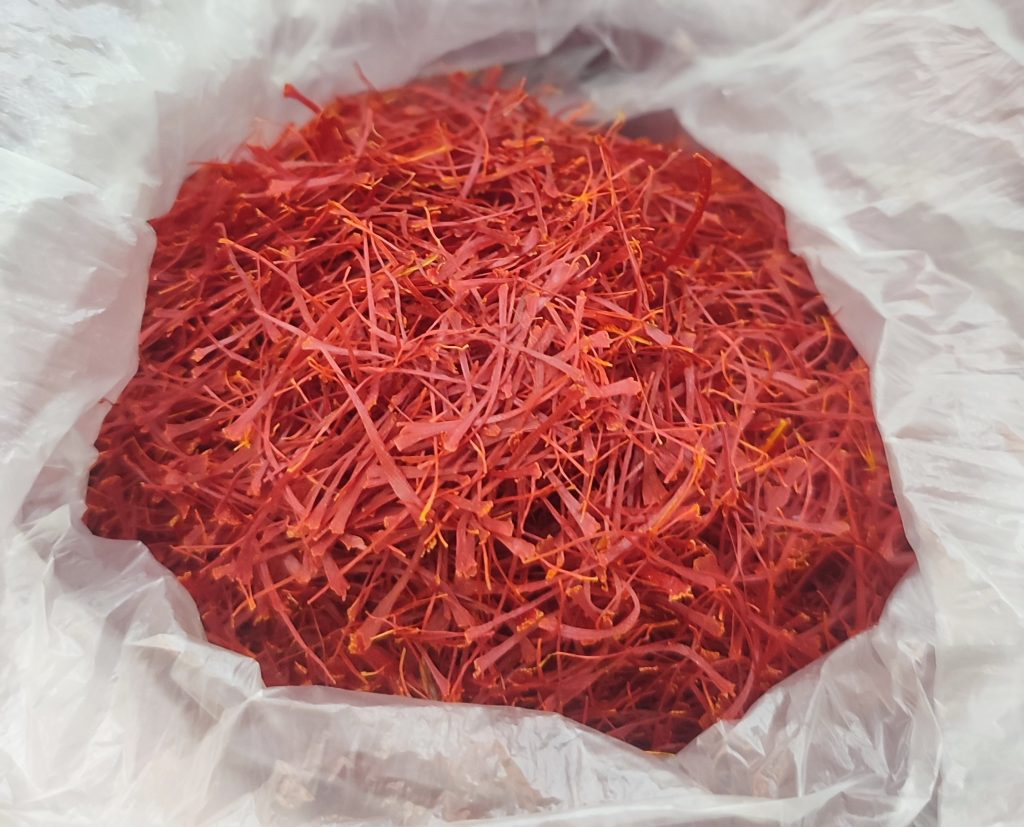
At the beginning of each harvest season, a surge in supply pushes the Red Gold Market Rate downward. Farmers bringing fresh saffron to the market create temporary price drops, as seen in the recent decline from $1,350 to $1,200. While this benefits bulk buyers, small farmers face challenges due to reduced profit margins. The Red Gold Market Rate also mirrors these shifts, proving that saffron’s value is deeply tied to seasonal cycles.
Key Factors Influencing the Red Gold Market Rate
Several domestic and international factors affect the Red Gold Market Rate:
Supply and Demand: The primary driver behind fluctuations.
Climate Conditions: Drought and climate change reduce output, increasing the Red Gold Market Rate.
Export Policies: Tariffs and trade incentives impact final pricing.
Product Quality: Higher-grade saffron achieves a stronger Saffron Market Rate.
Currency Fluctuations: Especially in Iran, where exchange rates significantly affect export value.
Categories of Saffron and Their Market Rate
The Red Gold Market Rate differs based on quality:
Bunch Saffron: Lower quality, cheaper rate.
Pushal Saffron: Medium quality, balanced rate.
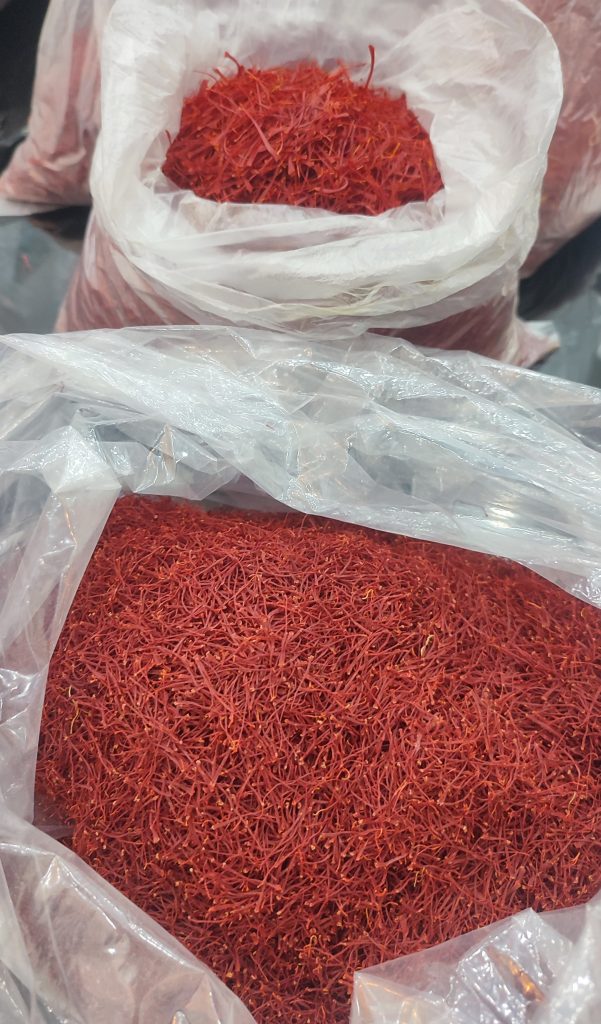
Negin Saffron: Premium quality, with the highest Saffron Market Rate.
This categorization also explains variations among brands like ABC, where quality grading directly influences final prices.

Brand Impact on the Red Gold Market Rate
Brand reputation significantly alters the Saffron Market Rate. For instance, ABC brand offers different price ranges depending on packaging and certification:
Basic packaging without certification: lower rate.
Premium packaging with authenticity seals: higher rate.
The Red Gold Market Rate demonstrates how branding and marketing elevate saffron’s global value beyond quality alone.
Packaging, Authenticity, and the Red Gold Market Rate
Modern packaging and authenticity guarantees are crucial in shaping the Red Gold Market Rate. European buyers, in particular, are cautious about counterfeit products. Saffron with smart packaging, holograms, or tracking codes earns a premium Saffron Market Rate. In contrast, uncertified saffron, even if high-quality, is sold cheaper.
Opportunity in Declining Red Gold Market Rate
The recent decline of the Saffron Market Rate from $1,350 to $1,200 presents a buying opportunity. This period is ideal for wholesalers and consumers to purchase and stock saffron, as rates are likely to rebound when supply tightens after harvest.
Trust and Experience in the Saffron Market Rate
Choosing reputable brands ensures value in the Red Gold Market Rate. Companies that maintain quality, fair pricing, and professional packaging earn consumer trust. Azhdari Saffron has successfully established its position by offering authentic products aligned with global standards at a fair Saffron Market Rate.
Conclusion: The Future of the Red Gold Market Rate
The Red Gold Market Rate will continue to fluctuate under the influence of supply, climate, export regulations, quality, and branding. The recent decline reflects seasonal effects, but long-term, authenticity and packaging will remain decisive. Brands combining innovation with originality will dominate the global market, and the Red Gold Market Rate will reflect their commitment to excellence.