30% Growth Forecast and the Outlook for the New Harvest
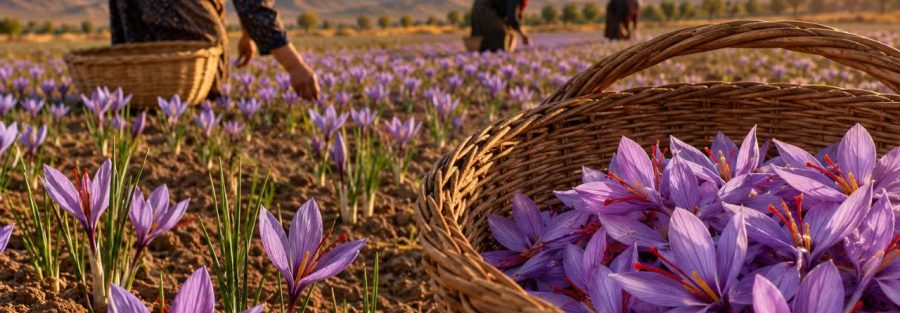
Saffron Production in Iran is entering a crucial period as industry representatives anticipate a potential 30% increase in output during the upcoming harvest season. According to Rezaei, President of Iran’s Union of Medicinal Plants, Saffron, and Food Products, favorable climatic conditions could support higher production. The latest Saffron Production Forecast has drawn attention from wholesale buyers and international traders, who are waiting for the new crop to reach the market. With an estimated 140,000 to 150,000 hectares under cultivation, the anticipated Saffron Harvest could influence supply conditions, domestic prices, and Iranian Saffron Exports.
Increase in Saffron Production: New Opportunities for Domestic and Global Markets
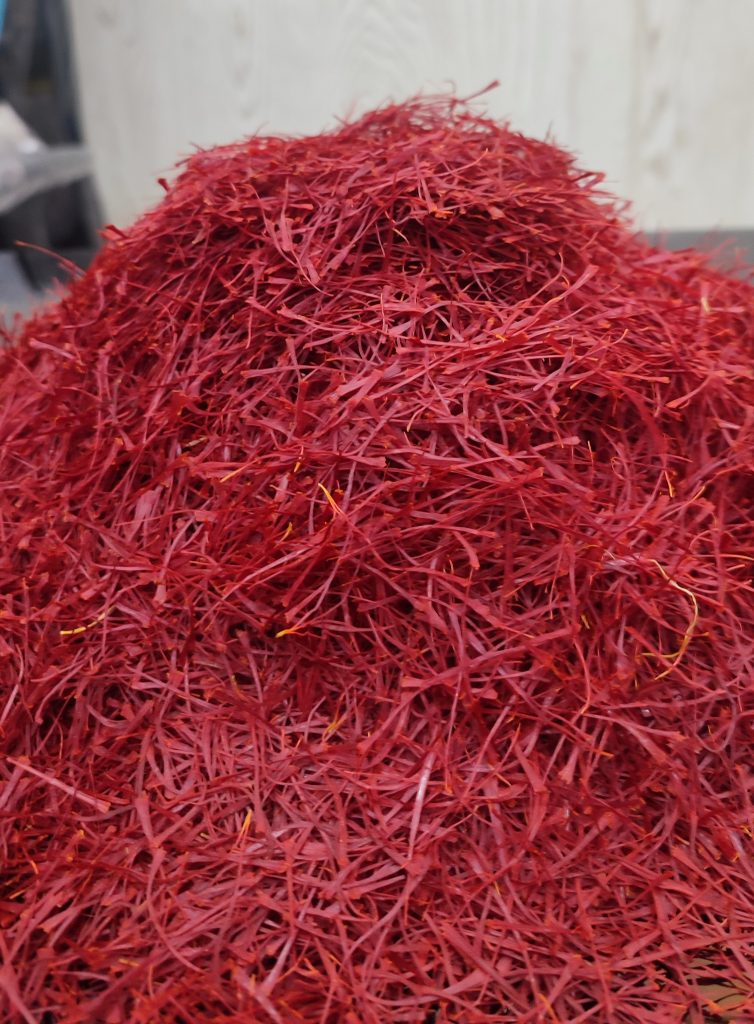
The anticipated Increase in Saffron Production could create important opportunities for farmers, processors, and international suppliers. If the projected 30% growth materializes, larger quantities of saffron may become available to domestic and overseas buyers.
Favorable weather conditions are among the factors supporting agricultural productivity. However, actual output also depends on the quality of saffron corms, irrigation management, soil conditions, labor availability, and harvesting practices.
Higher output could improve the availability of saffron for large export orders. Nevertheless, commercial success requires adequate processing, drying, packaging, storage, and distribution capacity.
An Increase in Saffron Production does not necessarily guarantee higher agricultural income. When supply expands faster than demand, prices may face downward pressure. Farmers and suppliers must therefore consider both market access and the timing of sales.
Why Are International Buyers Waiting for the New Saffron Harvest?
The upcoming Saffron Harvest is attracting considerable attention from wholesale buyers seeking greater clarity about supply volumes and market prices.
According to Rezaei, traders are following a familiar seasonal pattern by waiting for larger quantities of freshly harvested saffron to enter the market before finalizing major purchasing decisions.
This approach reflects several commercial considerations. First, actual production volumes remain uncertain until harvesting progresses. Second, farmers and distributors may adjust their selling strategies as new supplies become available. Third, exporters must coordinate purchases with product specifications, inventory requirements, and delivery commitments.
However, delaying purchases does not always result in lower costs. Strong international demand or limited availability of premium-grade saffron could cause certain varieties to maintain their prices or become more expensive.
Saffron Prices During Harvest Season: How Supply and Demand Shape the Market
Saffron Prices During Harvest Season are influenced by several interconnected economic factors, including crop availability, existing inventories, domestic consumption, export demand, exchange rates, and production costs.
When production increases while demand remains unchanged, additional supply can place downward pressure on market prices. Nevertheless, actual market conditions are more complex because demand and currency movements may change simultaneously.
For example, rising orders from importing countries could absorb part of the additional production. Exchange-rate fluctuations may also affect domestic prices even when international quotations remain relatively stable.
Price movements can differ across saffron grades. Negin, Sargol, and Pushal saffron have distinct physical characteristics, quality specifications, and commercial applications. Consequently, their prices do not necessarily move at the same rate.
Professional buyers should therefore evaluate product quality, delivery arrangements, supplier reliability, and total purchasing costs rather than relying exclusively on quoted prices.

Cultivation Area and the Agricultural Capacity of Saffron Production in Iran
The scale of Saffron Production in Iran reflects the country’s substantial agricultural capacity. According to the estimates cited by Rezaei, approximately 140,000 to 150,000 hectares are devoted to saffron cultivation.
However, cultivated area alone does not determine the industry’s economic performance. Yield per hectare, product quality, processing efficiency, and final selling prices are equally important.
Improving irrigation methods, agricultural management, and harvesting techniques can increase productivity without requiring substantial expansion of farmland.
Post-harvest handling also plays a critical role. Proper drying, moisture control, contamination prevention, and suitable packaging help preserve saffron’s valuable characteristics and support access to international markets.
Long-term development therefore depends on improving productivity while strengthening processing capabilities and increasing the value generated throughout the supply chain.
Saffron Production Forecast: Could Iran Achieve a New Global Record?
The latest Saffron Production Forecast has raised expectations that Iran could achieve exceptionally high output during the new season. However, any production record must be confirmed through final harvesting figures and reliable statistical reporting.
If the projected increase materializes, the ability of processing facilities, packaging companies, and distribution networks to handle additional supplies will become increasingly important.
Saffron requires appropriate storage conditions because its commercial value depends heavily on preserving color, aroma, and other quality characteristics.
Higher production could also support longer-term supply agreements with international buyers. Businesses capable of providing consistent quality, reliable documentation, and timely delivery may be better positioned to develop lasting commercial relationships.
Ultimately, a record crop becomes an economic achievement only when production growth is accompanied by sufficient demand and stronger market competitiveness.
Declining Domestic Consumption and the Growing Importance of Iranian Saffron Exports
Iranian Saffron Exports have historically represented a significant outlet for the country’s agricultural output. According to the statements cited in the original report, approximately 70% of production was previously directed toward foreign markets, while the remaining 30% was consumed domestically.
Rising prices and inflationary pressure on household purchasing power may reduce domestic consumption. Although saffron remains an important ingredient in Iranian cuisine and cultural traditions, consumers may adjust their purchasing habits when budgets become constrained.
Such developments could increase the importance of international markets for producers and distributors.
However, excessive dependence on a limited number of importing countries can create commercial risks. Expanding the range of export destinations, building relationships with new buyers, and developing recognized Iranian brands can help improve market resilience.
Stronger international distribution networks may therefore become increasingly valuable as production capacity expands.

The Export Value of Iranian Saffron and Opportunities for Greater Added Value
The commercial significance of Saffron Production in Iran extends beyond the quantity of saffron harvested. Export revenue also depends on product quality, international selling prices, packaging, processing, and market positioning.
Industry statements have cited annual saffron export values of approximately $350 million to $400 million. However, these figures require verification against official customs statistics for a clearly identified reporting period.
Bulk saffron sales remain suitable for many wholesale transactions, particularly when buyers require large quantities for further processing or packaging.
At the same time, branded products and professionally packaged saffron may create opportunities for greater added value.
International buyers often evaluate traceability, consistent quality, laboratory documentation, and delivery reliability alongside price.
Consequently, sustainable export development requires competition based not only on cost but also on product standards, customer service, and commercial credibility.
How Saffron Prices During Harvest Season Affect Wholesale Purchasing Decisions
Changes in Saffron Prices During Harvest Season can create both opportunities and risks for wholesale buyers.
When new supplies enter the market, purchasing conditions may become more favorable. Nevertheless, buyers should avoid assuming that prices will automatically decline throughout the harvesting period.
Companies purchasing saffron for international distribution must consider their inventory requirements, contractual obligations, and delivery schedules.
Waiting too long may create difficulties if premium-quality products become less available or international demand rises unexpectedly.
A practical purchasing strategy involves comparing several suppliers, reviewing quality specifications, and evaluating the total cost of each transaction.
Monitoring the relationship between new supply and market demand can support better decisions, but no particular purchasing date guarantees the lowest price.
Frequently Asked Questions About Iran’s Saffron Market
Will saffron output increase this year?
Industry representatives have projected a potential 30% increase, although final figures will depend on actual harvesting results.
Will higher production reduce saffron prices?
Additional supply may create downward pressure, but export demand, exchange rates, and product quality also influence prices.
When is the best time to buy wholesale saffron?
The most suitable time depends on market conditions, quality requirements, available inventory, and delivery commitments.
Can international markets absorb additional saffron supplies?
Yes, provided sufficient overseas demand exists and suppliers can meet commercial and logistical requirements.
Do all saffron grades experience the same price changes?
No. Different grades may follow different pricing trends depending on quality, availability, and buyer preferences.
Reliable Saffron Sourcing in a Changing Harvest Market
As Saffron Production in Iran enters a potentially important new season, choosing a dependable supplier becomes especially valuable for wholesalers, importers, and international distributors.
The anticipated Increase in Saffron Production may create additional purchasing opportunities, but product quality, clear specifications, and reliable supply arrangements remain essential.
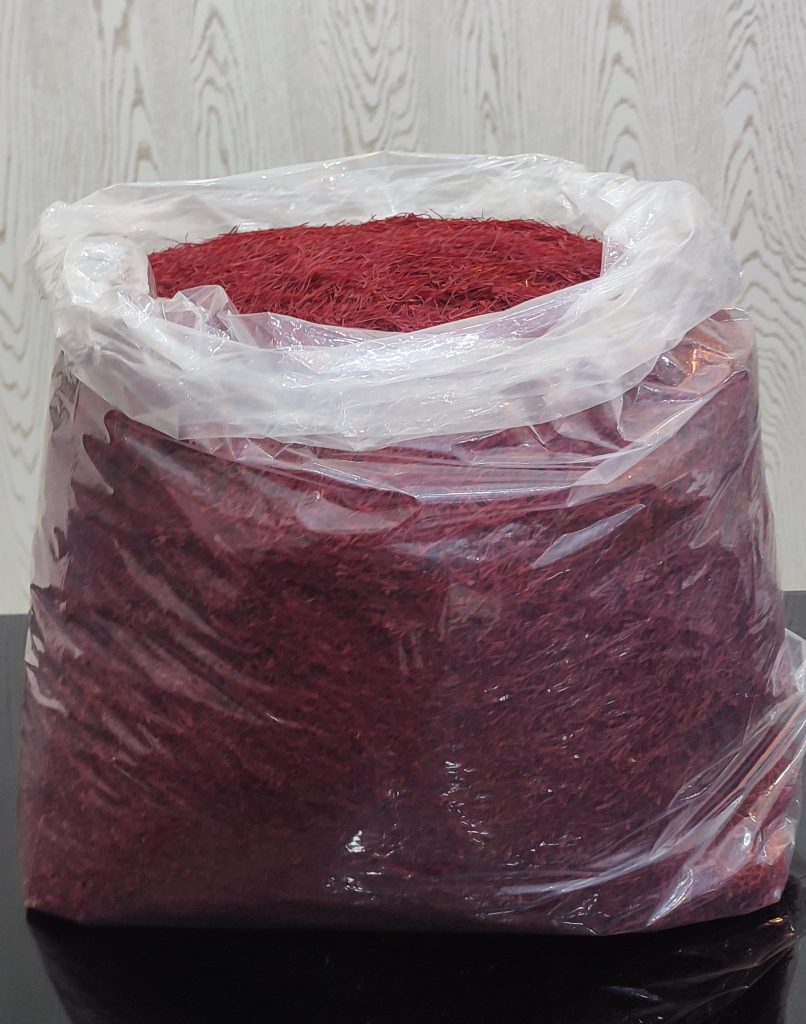
Azhdari Saffron focuses on supplying Iranian saffron to domestic and international buyers. Customers interested in wholesale or export-oriented orders can contact the company to discuss saffron varieties, quality requirements, packaging options, order quantities, and available pricing.
If you are preparing to purchase saffron for distribution, retail packaging, or international trade, consider requesting product information and a tailored quotation from Azhdari Saffron before finalizing your sourcing strategy.
Conclusion: The Future of Saffron Production in Iran and Global Trade Opportunities
The outlook for Saffron Production in Iran highlights the importance of understanding agricultural output, wholesale purchasing behavior, and international demand together.
The projected 30% growth, extensive cultivation area, and expectations surrounding the new crop suggest that supply conditions could change significantly. However, actual market outcomes will depend on final production volumes, buyer demand, currency movements, and product quality.
For farmers, efficient production and effective sales management remain essential. For exporters, expanding international relationships and maintaining consistent quality can strengthen competitiveness. For buyers, reliable sourcing and careful market evaluation can reduce purchasing risks.
As the new season approaches, monitor market developments, review your purchasing requirements, and contact Azhdari Saffron to request product specifications and a wholesale quotation for your next order.