A Step Toward Transparency or an Economic Challenge
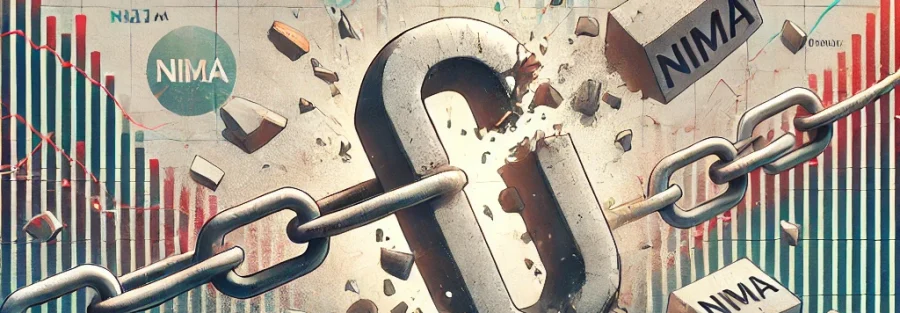
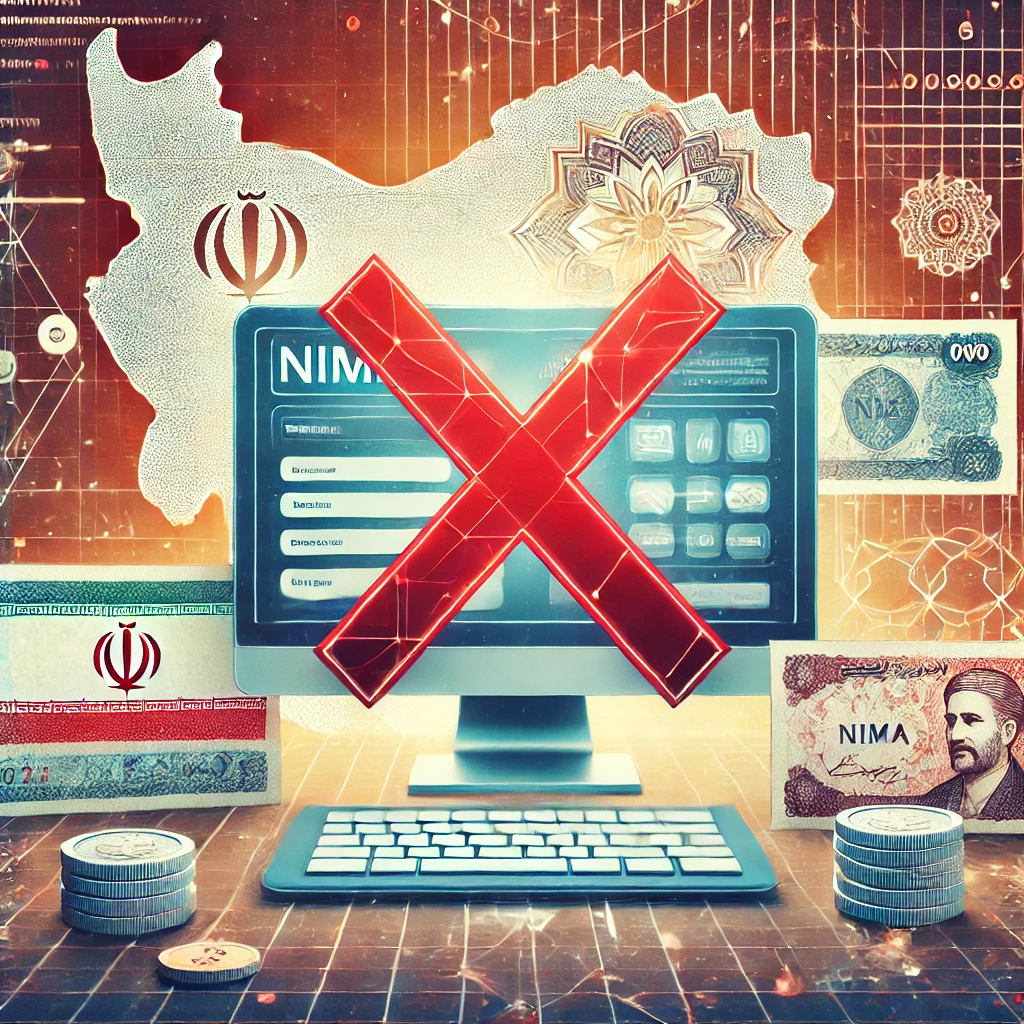
In recent days, the Central Bank of the Islamic Republic of Iran announced a major decision that is set to have significant effects on the country’s foreign exchange market. As of December 15, all foreign exchange transactions will be conducted based on the agreed rate, and the Nima exchange rate will no longer be a factor. This transition, culminating in the complete removal of the Nima platform by January 21, represents a fundamental shift in Iran’s foreign exchange policy, sparking widespread discussions about its economic implications.
The Role of the Nima System in Regulating the Currency Market
The Nima system (Integrated Forex Trading System) was introduced years ago to balance the foreign exchange market. It provided a controlled framework for importers and exporters to access foreign currency at the Nima platform rate.
However, in recent years, the significant gap between the Nima rate and the open market rate led to challenges such as the creation of rent-seeking opportunities and reduced transparency. Economic experts have long emphasized the necessity of eliminating the currency of the Nima system, viewing this recent move as a structural reform.
Central Bank’s Decision: The End of the Nima Platform
According to the Central Bank, starting December 15, foreign exchange transactions will exclusively rely on agreed market rates. This decision effectively marks the end of the Nima exchange rate, transitioning toward a freer market by January 21. This shift signifies a pivotal change in Iran’s foreign exchange policies, potentially leading to a more liberated currency market.
Advantages of Eliminating the Nima Exchange Rate
Increased Transparency Removing the Nima platform rate brings exchange rates closer to market realities, fostering greater transparency in foreign exchange transactions.
Reduction of Rent-Seeking and Corruption The disparity between the Nima exchange rate and the open market rate created opportunities for misuse. Eliminating this gap minimizes the risk of corruption.
Natural Balance in the Currency Market Setting exchange rates based on supply and demand can lead to a more balanced market and reduce artificial interventions.
Attracting Foreign Investments Greater transparency in currency rates is likely to enhance investor confidence and attract new foreign investments.
Challenges of Removing the Nima Exchange Rate
Short-Term Increase in Exchange Rates With the removal of the Nima platform rate, the market may experience a short-term rise in currency rates, especially when demand outweighs supply.
Rising Costs of Imported Goods Eliminating the Nima exchange rate could increase the cost of imported goods, placing additional pressure on households.
Concerns for Domestic Producers Many producers reliant on the Nima platform may face higher production costs, impacting their profitability and operations.
The Future of the Currency Market Without the Nima Platform
Eliminating the Nima exchange rate is a bold step toward structural reform in the currency market. While this decision may present short-term challenges, it has the potential to promote long-term transparency, reduce corruption, and establish a more sustainable balance in the foreign exchange market.
To ensure the success of this transition, policymakers must implement strategic measures to mitigate negative effects and capitalize on the opportunities presented.
Collaborative Efforts for Economic Success
For this policy to succeed, the government, producers, and exporters must work collaboratively to create conditions that maximize the benefits of this change. The removal of the Nima exchange rate can serve as a turning point for improving Iran’s economic standing, provided the associated challenges are managed with precision.
Conclusion:
The elimination of the Nima system, with its various advantages and challenges, represents an opportunity to move toward greater transparency and competitiveness in Iran’s economy.