

25% Global Market Impacts and Developments
Saffron Rate as one of the most valuable spices in the world, has recently witnessed a significant rise. According to reports, Saffron Price has increased by 20% to 25% since the beginning of the harvest season, although a 3% decline has been observed in recent days. These fluctuations have affected both domestic and international markets, leading to significant transformations in Saffron Value. In this article, we will examine the reasons behind this increase and forecast the future of Saffron Price.
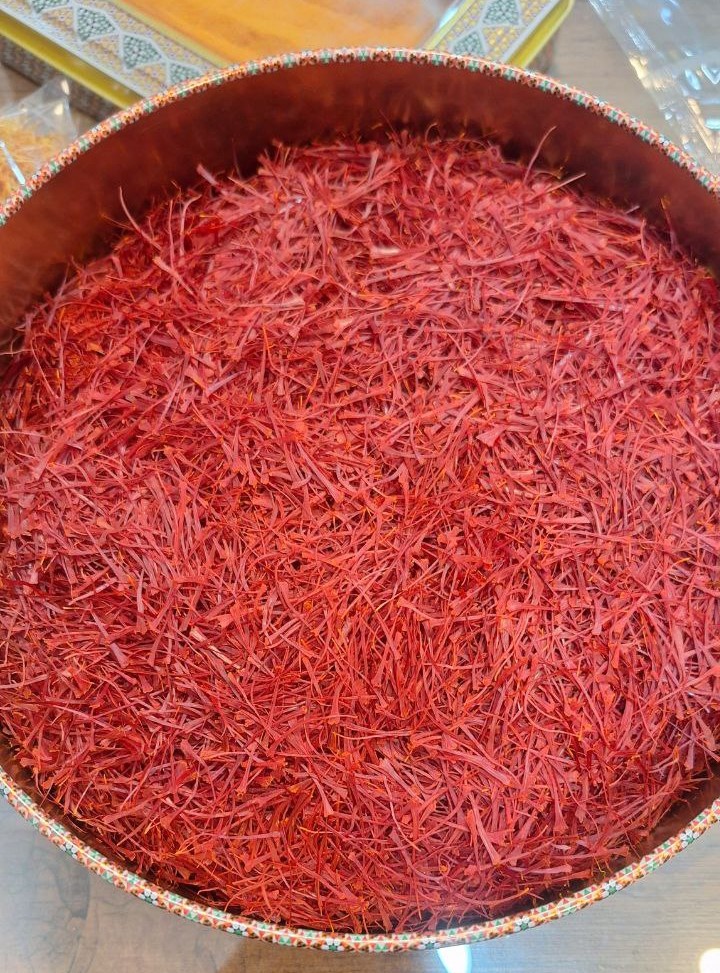
Reasons Behind the Increase in Saffron Price
The Saffron Price has been influenced by multiple factors this year. The most important of these include unfavorable weather conditions, reduced production, pests, and rising global demand.
✔️ Growing Demand: With increasing exports to China and European countries, the demand for saffron has surged, contributing to the rise in Saffron Value.
✔️ Higher Production and Export Costs: Rising transportation fees, labor expenses, and packaging costs have also had a direct impact on Saffron Rate.
Currently, farmers who previously sold saffron at Saffron Rate levels between 80 to 85 million tomans per kilogram are now selling it at 100 to 105 million tomans.
Future Predictions for Saffron Price
Based on supply and demand trends, the Saffron Price is expected to maintain an upward trajectory in the coming months. The approach of the year-end holidays and events such as Ramadan and Nowruz is likely to increase demand, potentially driving the Saffron Value even higher.
🔹 The President of the Khorasan Saffron Exporters Union has stated that the market is currently balanced, but the expected rise in demand may soon affect the Saffron Price once again.
🔹 Increased exports and production limitations could further contribute to a rise in Saffron Rate.
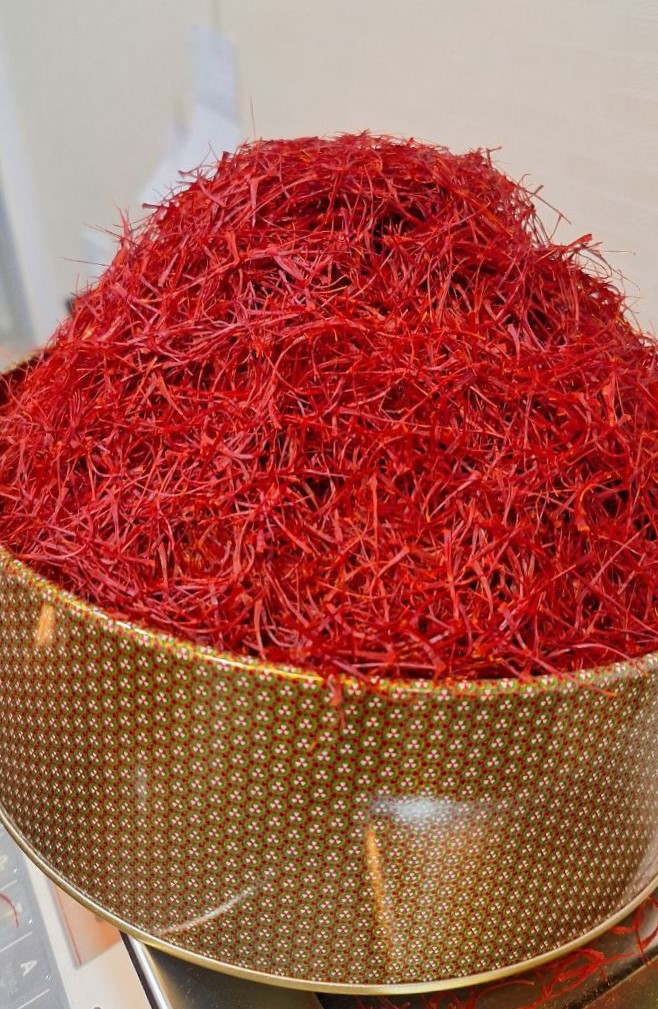
Impact of Price Fluctuations on Saffron Exports
Iranian saffron exports have seen an 18% decline in the first nine months of the year. This decrease is attributed to the rise in Saffron Price, exchange rate fluctuations, and competition with other international producers.
📌 Decline in Exports to Europe and China: Due to the rising Saffron Value in Iran, some buyers have turned to alternative suppliers.
📌 Economic Policies Impact: Exchange rate fluctuations and new customs regulations have also influenced the Saffron Rate in international markets.
Despite this, expectations remain positive for increased global demand, which could lead to a recovery in saffron exports.
Conclusion and Recommendations
The Saffron Price has increased due to production constraints, higher export costs, and rising demand. While prices have risen by up to 25% in recent months, further increases are expected with rising global consumption and seasonal demand.
🔸 Recommendations for Exporters and Market Participants:
1️⃣ Manage supply and demand effectively to prevent extreme fluctuations in Saffron Rate.
2️⃣ Expand export markets to maintain competitiveness.
3️⃣ Invest in improving production and processing methods to sustain quality and enhance efficiency.
With the growing global demand and Iran’s leading position in the saffron industry, implementing these strategies can help maintain and expand Iran’s market share.
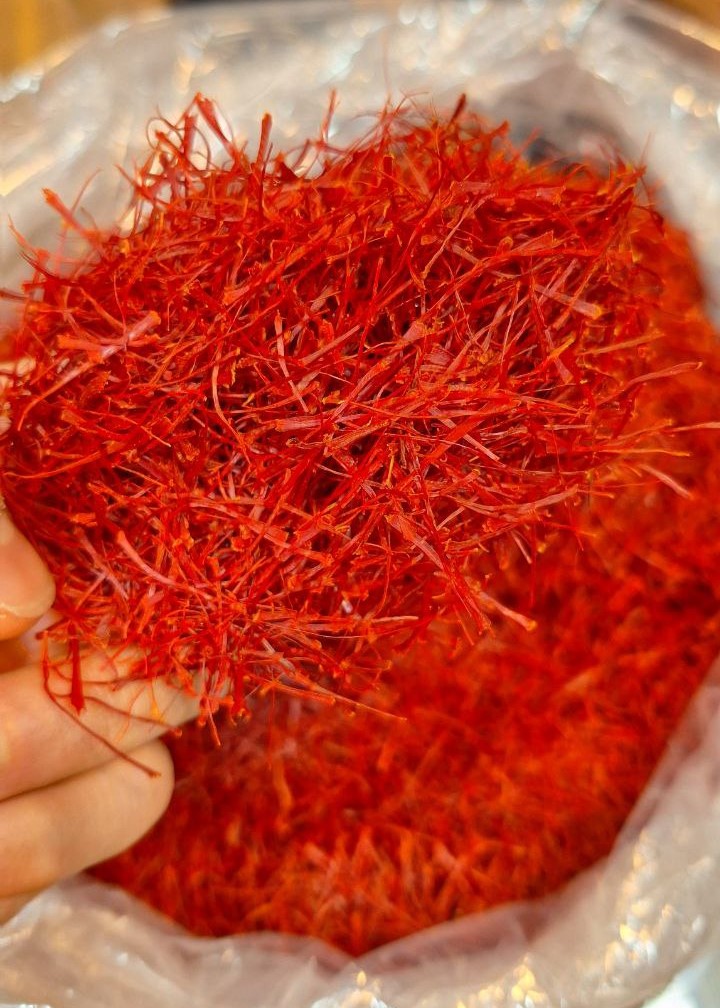
📢 What is your opinion on the future of Saffron Price?
Do you think this upward trend will continue?
Share your thoughts with us!