Afghanistan and the Global Saffron Market: Insights from MP Zanganeh
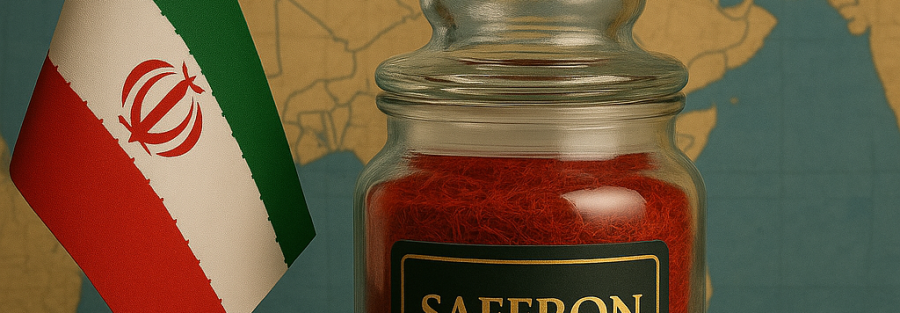
In recent years, some media outlets have claimed that Afghanistan has overtaken Iran in the Global Saffron Market. At first glance, such statements appear concerning. However, according to Zanganeh, a member of the Iranian Parliament, Iran remains the dominant force in saffron production and exports. The reality is that Afghanistan has not yet become a serious competitor in the International Saffron Market.
Rising Prices and the Role of the Global Saffron Market
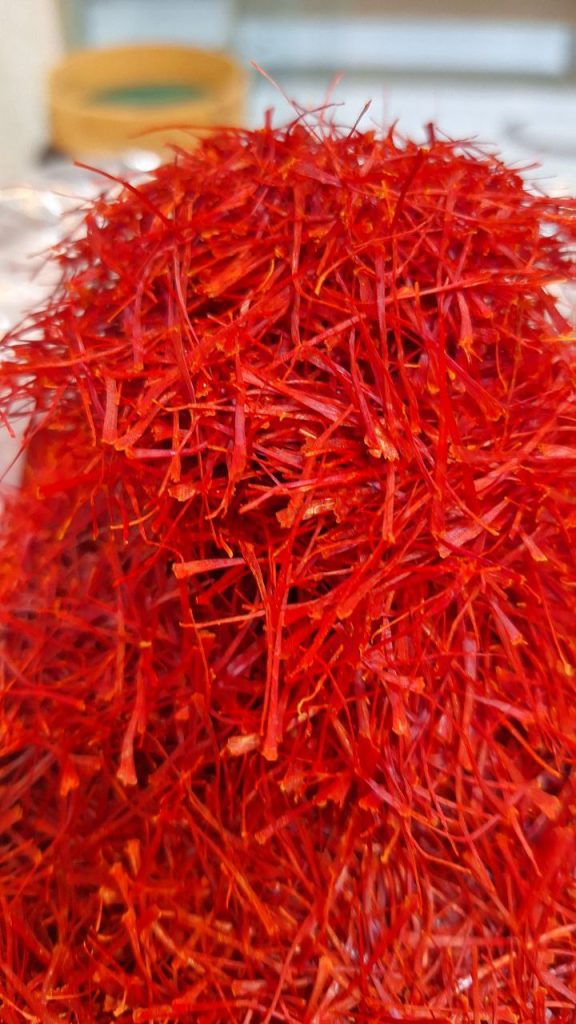
Zanganeh highlights that over the past four to five years, Iran has raised saffron prices from around $300 to over $1,000–$1,200 per kilogram. This steady price growth shows that the International Saffron Market is still strongly influenced by Iranian supply. The relative price stability reflects Iran’s consolidated position and underscores its crucial role in the International Saffron Market.
Export Routes and Branding Challenges in the International Saffron Market
One major challenge is the restriction caused by sanctions and currency policies. As a result, Iranian exporters are forced to send their saffron through Afghanistan, the UAE, or Qatar before it enters the Global Saffron Market. These countries then rebrand the same Iranian saffron under their own labels. While this practice weakens the visibility of Iran’s identity, the truth is that the majority of saffron traded worldwide remains Iranian.
Cultivation and Competition in the International Saffron Market
Several countries have begun cultivating saffron in recent years. However, both in quality and quantity, they remain far behind Iran. Therefore, much of the saffron marketed as Afghan actually originates in Iran, transferred formally or informally across the border. This confirms that the Global Saffron Market continues to rely heavily on Iranian production, while Afghanistan functions primarily as a re-exporting hub rather than a true producer.
Currency Policies and Their Impact on the International Saffron Market
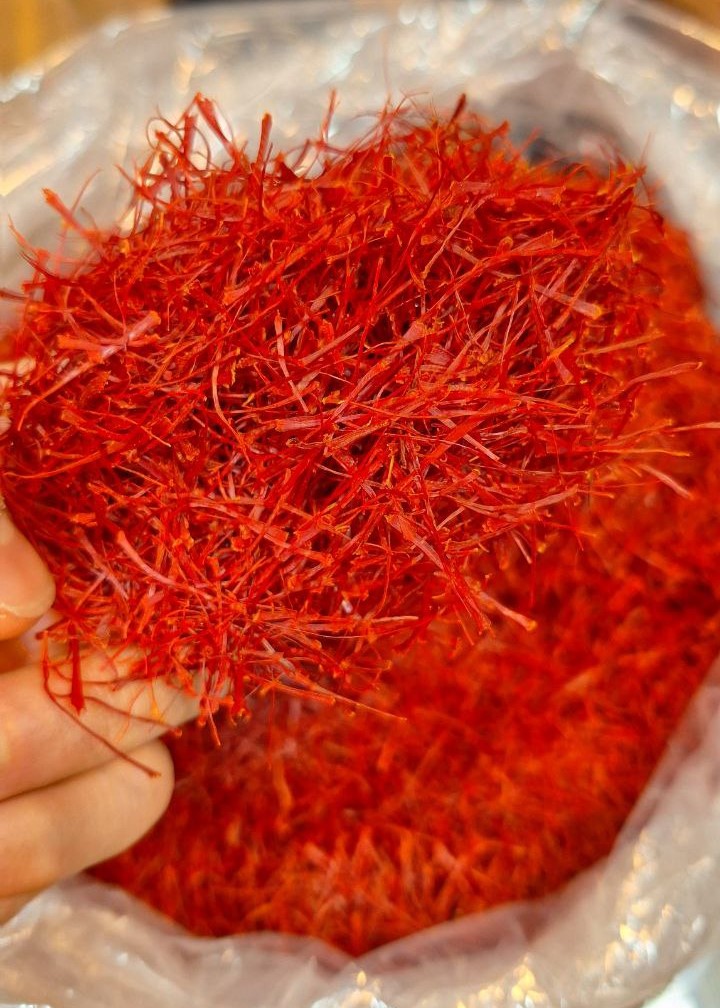
Zanganeh argues that flawed currency policies, including inflated exchange rates and mandatory foreign currency commitments, have placed heavy pressure on Iranian exporters. These measures have pushed some traders toward informal channels, reducing Iran’s competitive edge and benefiting others in the International Saffron Market. This remains a serious obstacle to Iran’s full potential in the Global Saffron Market.
Recent Reforms and New Hope for the Global Saffron Market
Last month, a meeting with the Currency and Gold Market Board resulted in the removal of saffron from Central Bank restrictions. This reform represents a significant step toward strengthening formal exports and securing Iran’s role in the International Saffron Market. Such measures create new optimism among traders and could help Iran reclaim greater influence in the International Saffron Market.
The Importance of Iranian Branding in the International Saffron Market
Although indirect exports have kept Iran connected to the Global Saffron Market, this system dilutes the product’s Iranian identity. What truly matters now is reinforcing the Iranian brand in the International Saffron Market. Strategic marketing, supportive government policies, and professional branding can help showcase the real value of Iranian saffron worldwide.
Trusted Brands and Authenticity in the International Saffron Market
Global consumers seek not only high quality but also authenticity. Brands such as Azhdari Saffron have successfully delivered transparency and trust by offering direct, genuine products to both domestic and international buyers. This proves how Iranian authenticity can be preserved in the Global Saffron Market, strengthening Iran’s rightful position in the International Saffron Market.
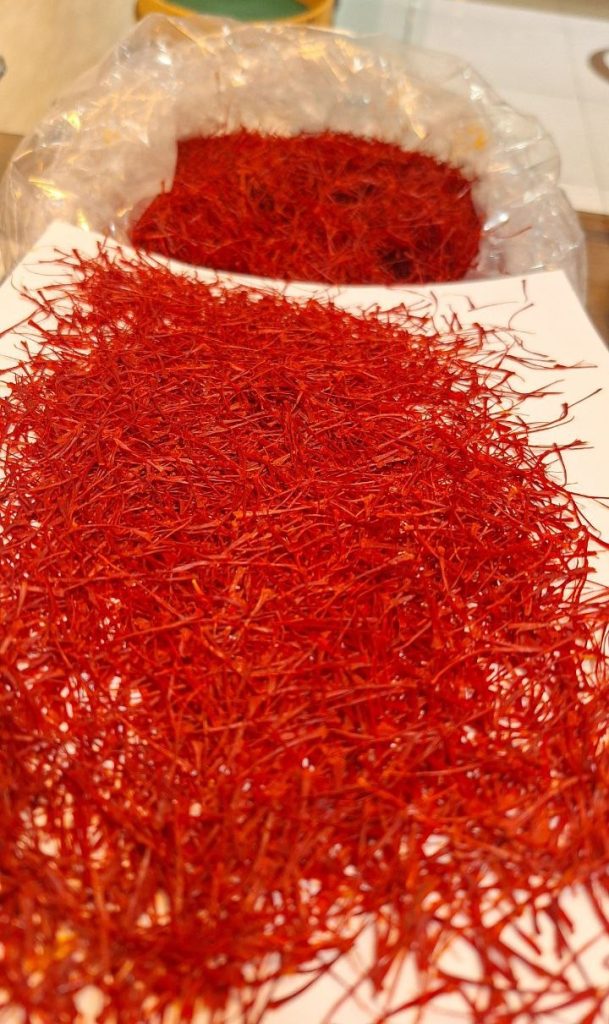
Conclusion: A Bright Future for the Global Saffron Market
The Global Saffron Market is still dependent on Iran, and concerns about Afghanistan’s dominance are more related to sanctions and domestic policies than actual production. The future of this industry relies on currency reform, support for legitimate exporters, and the growth of reputable Iranian brands. With the right economic strategies, Iran can maintain its leadership and ensure that the International Saffron Market continues to reflect its unparalleled role.