
The Importance of Saffron in the Global Saffron Trade
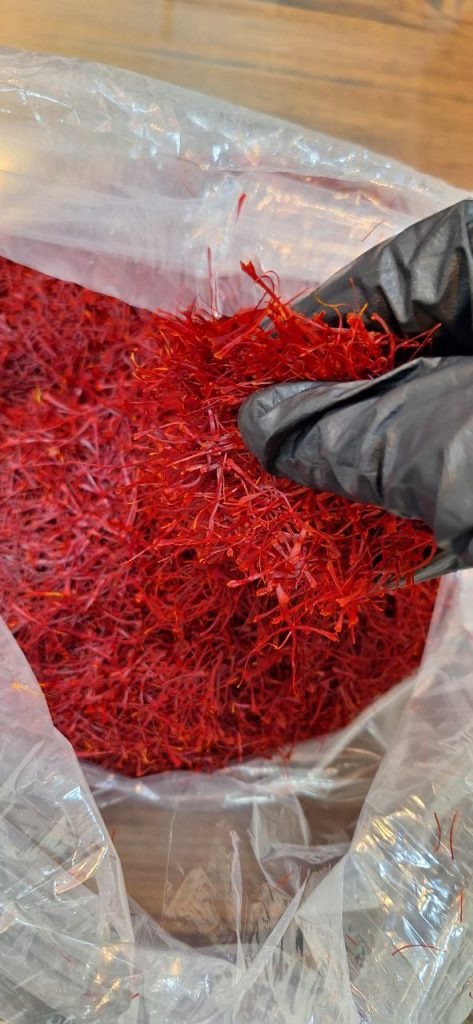
Saffron, the Red Gold of Iran, has always held a unique position in the Global Saffron Trade. This precious spice is not only a symbol of Iranian agriculture and culture but also a key contributor to the country’s non-oil exports. Recently, Miri, the head of the Khorasan Razavi Saffron Exporters Union, announced that foreign buyers are eagerly awaiting the arrival of the new harvest — a sign of continued global trust in the Global Red Gold Market and Iran’s role as its primary supplier.

Why Do Foreign Buyers Value the Global Red Gold Market
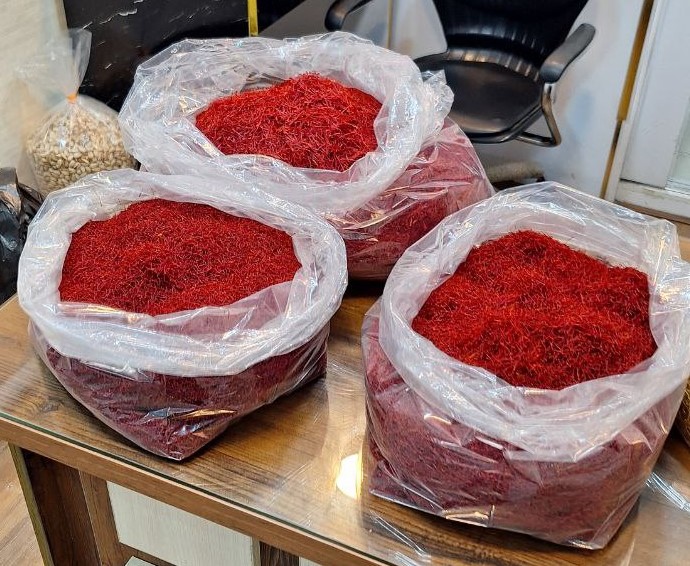
One of the main reasons buyers are waiting for the new crop is its industrial demand. The Global Saffron Trade serves industries such as food, pharmaceuticals, and cosmetics, all of which rely heavily on premium-quality saffron. International buyers, especially in Europe and Asia, seek products with top quality, certified origins, and professional packaging. That’s why at the beginning of the harvest season, major traders rush to purchase and store saffron to secure their position in the Global Red Gold Market and avoid price fluctuations throughout the year.
Growth of the Global Saffron Trade This Year
According to recent statistics, saffron exports have risen in the first five months of the current year. This increase reflects the growing strength of the Global Red Gold Market, but experts warn that unplanned expansion could harm the long-term market. Some exporters sell saffron solely to access foreign currency quickly, without considering brand sustainability — a move that risks weakening Iran’s position in the Global Red Gold Market.
Customs Valuation Challenges in the Global Red Gold Market
One of the major challenges facing the Global Saffron Trade is the issue of customs base valuation. Raising the export base price unrealistically does not affect the actual global price but discourages exporters. For instance, when saffron sells for $1,200–$1,250 per kilo in the international market, setting a base rate of $1,500 creates serious obstacles for exporters. The exporters’ union has suggested keeping the rate stable until the end of December to ensure smoother operations in the Global Red Gold Market.
The Need for Stability in the Global Saffron Trade
The global saffron industry is highly competitive. Countries like Spain and Afghanistan are striving to expand their shares in the Global Saffron Trade. If Iran fails to maintain stable pricing, consistent quality, and strong branding, it may gradually lose market share. Long-term stability in exports and continuous quality assurance are crucial for keeping Iran dominant in the Global Red Gold Market.
Opportunities and Threats in the Global Saffron Trade
Opportunities:
Increasing demand in the global food and pharmaceutical sectors.
Iran’s global reputation for producing the highest-quality saffron.
Expansion of e-commerce and direct international sales.
Threats:
Intense competition from other countries in packaging and marketing.
Rising production and export costs.
Volatile customs and currency policies affecting the Global Saffron Trade.
A Promising Future for the Global Red Gold Market
Despite the challenges, the future of the Global Saffron Trade looks bright. With innovation in packaging, strict adherence to health standards, and smart marketing strategies, Iranian exporters can strengthen their global presence. Coordinated efforts among unions and reputable brands can help Iran maintain its leadership in the Global Red Gold Market.
The Role of Strong Brands in the Global Saffron Trade
Success in the Global Red Gold Market depends not only on production but also on branding, luxurious presentation, and consistency. Brands that preserve the authenticity of Iranian saffron while meeting European and Asian standards dominate the Global Red Gold Market.
A Luxurious Experience in the Global Red Gold Market
In the competitive world of the Global Saffron Trade, choosing a trusted brand makes all the difference. Azhdari Saffron stands out by maintaining Iranian authenticity, meeting global standards, and offering luxurious packaging. This brand connects Iranian farmers with international consumers who value quality, transparency, and trust — the true essence of the Global Red Gold Market.
Conclusion: A Bright Outlook for the Global Saffron Trade
The global saffron market is more active than ever as the new harvest season approaches. Although issues like customs valuation and international competition remain, with effective management and strong branding, Iran can solidify its leadership in the Global Red Gold Market. Ultimately, foreign buyers seek authenticity, transparency, and reliability — the qualities that will secure the bright future of the Global Red Gold Market and the enduring legacy of Iranian saffron.