Why Does the Red Gold’s Value Fluctuate and What Factors Influence It
Saffron, known as Iran’s Red Gold, has always symbolized authenticity, quality, and rarity. However, the Saffron cost has shown significant volatility in recent months. After peaking at $1,350, the Saffron price is now stabilizing around $1,200. In this article, we explore what drives the Saffron price, the reasons behind its fluctuations, and how you can buy authentic saffron at a fair Saffron price from trusted producers like Azhdari Saffron.

Supply and Demand: The Core Driver of Saffron Cost
The main factor influencing Saffron price is the balance between supply and demand. With over 90% of the world’s saffron production, Iran remains the key player in shaping Saffron price globally. Limited rainfall, climate shifts, and high harvesting costs reduce supply, pushing up the Saffron cost. Meanwhile, growing demand in Europe, China, and the UAE keeps the Saffron price high in international markets.
Quality Matters: How Purity Defines Saffron Cost🌸
Not all saffron is created equal! Super Negin saffron, known for its strong color and aroma, commands a higher Saffron price. In contrast, Pushal or Bunch saffron is less valuable. Leading brands like Azhdari Saffron focus on purity and authenticity, helping stabilize the Saffron cost in the global market while earning the trust of international buyers.
💰 Currency Exchange Rate and Its Impact on Saffron price
As a highly export-oriented product, saffron is deeply affected by currency fluctuations. A rising dollar rate directly increases the Saffron cost in domestic markets since exporters prefer selling abroad. Additionally, export tariffs and shipping expenses also contribute to changes in Saffron price and Saffron price worldwide.

Middlemen and Their Role in Saffron price
The presence of multiple intermediaries often inflates the Saffron cost beyond its true value. Premium brands like Azhdari Saffron have resolved this issue through direct sales from farmer to customer. By removing middlemen, they ensure the Saffron price remains fair, competitive, and beneficial for both consumers and local producers.
Harvest Season: A Natural Cycle Affecting Saffron Cost
The Saffron price also follows a seasonal pattern. During harvest time—from late October to December—the market sees a temporary drop in Saffron cost due to higher supply. After the season ends and inventories shrink, the Saffron price naturally rises again, creating an annual cycle of fluctuation that smart buyers can take advantage of.
🎁 Innovative Packaging: A New Dimension in Saffron price
In global markets, luxury packaging can increase the Saffron cost significantly. Azhdari Saffron has introduced anti-counterfeit holograms and elegant designs, adding premium value to its products. These innovations have redefined the perception of Saffron price, aligning it with world-class quality standards.
📊 Recent Trends in Saffron Cost
In recent months, the average Saffron price has hovered around $1,180. However, due to rising production and logistics costs, experts predict that Saffron cost could soon climb back toward the $1,250–$1,300 range. This makes now an ideal time to purchase, as an upward correction in Saffron price is highly likely this autumn.
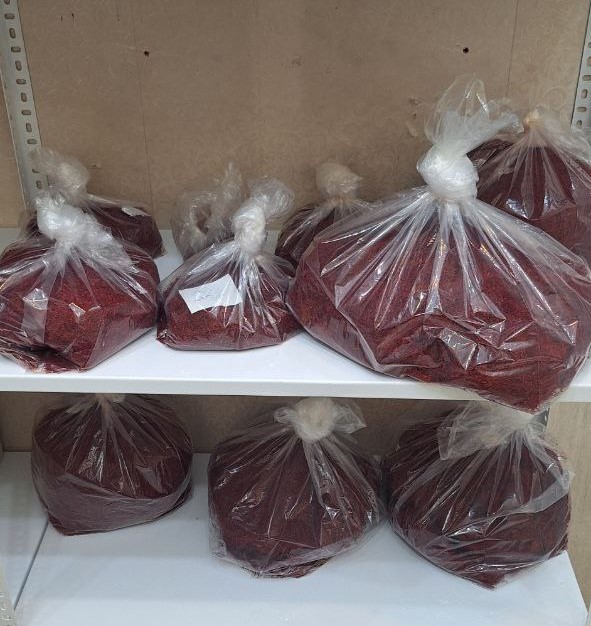
💎 Experience Authentic Iranian Saffron with Azhdari
The Saffron price is more than just a number—it reflects craftsmanship, authenticity, and the dedication of Iranian farmers. Azhdari Saffron, with its meticulous control over every stage from harvest to packaging, guarantees that each gram of saffron captures the true aroma, color, and soul of Iran.
If you’re looking to experience real Iranian saffron and understand the true Saffron cost, visit the Azhdari Saffron website today and enjoy premium quality with global standards.